Barnrose liaised with conservation officers to ensure every stage of the work was sympathetic to the historic character of the buildings.
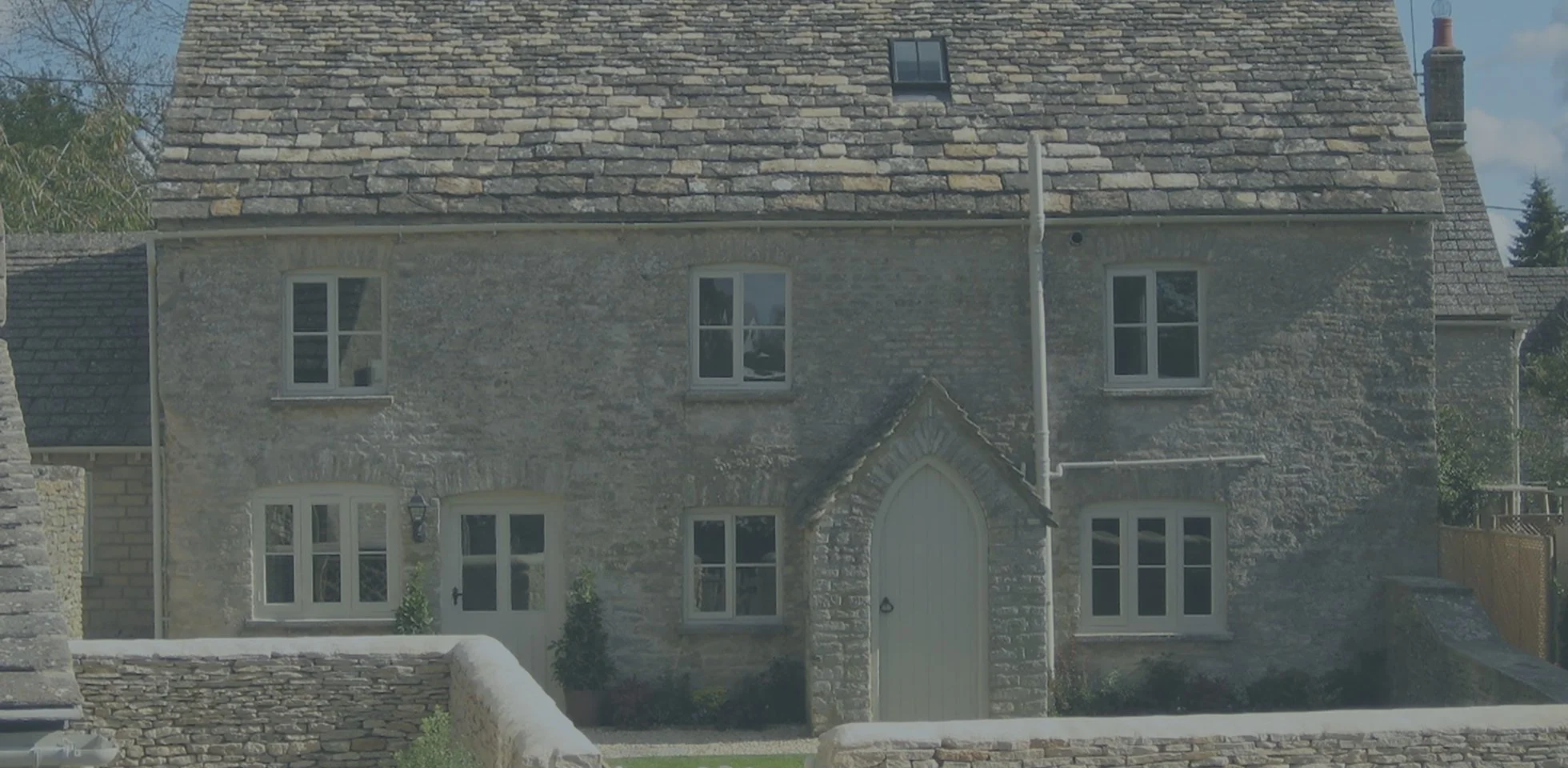
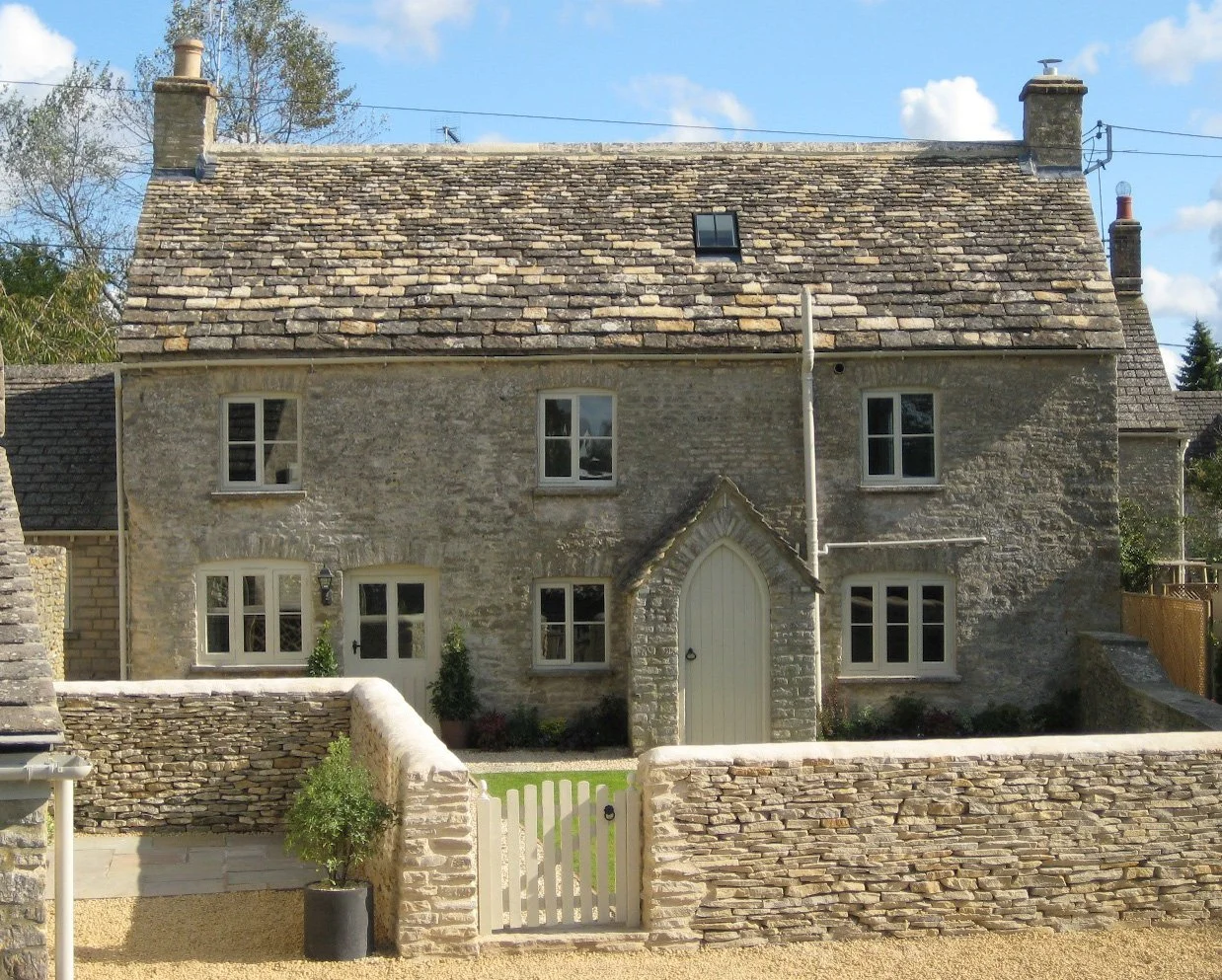
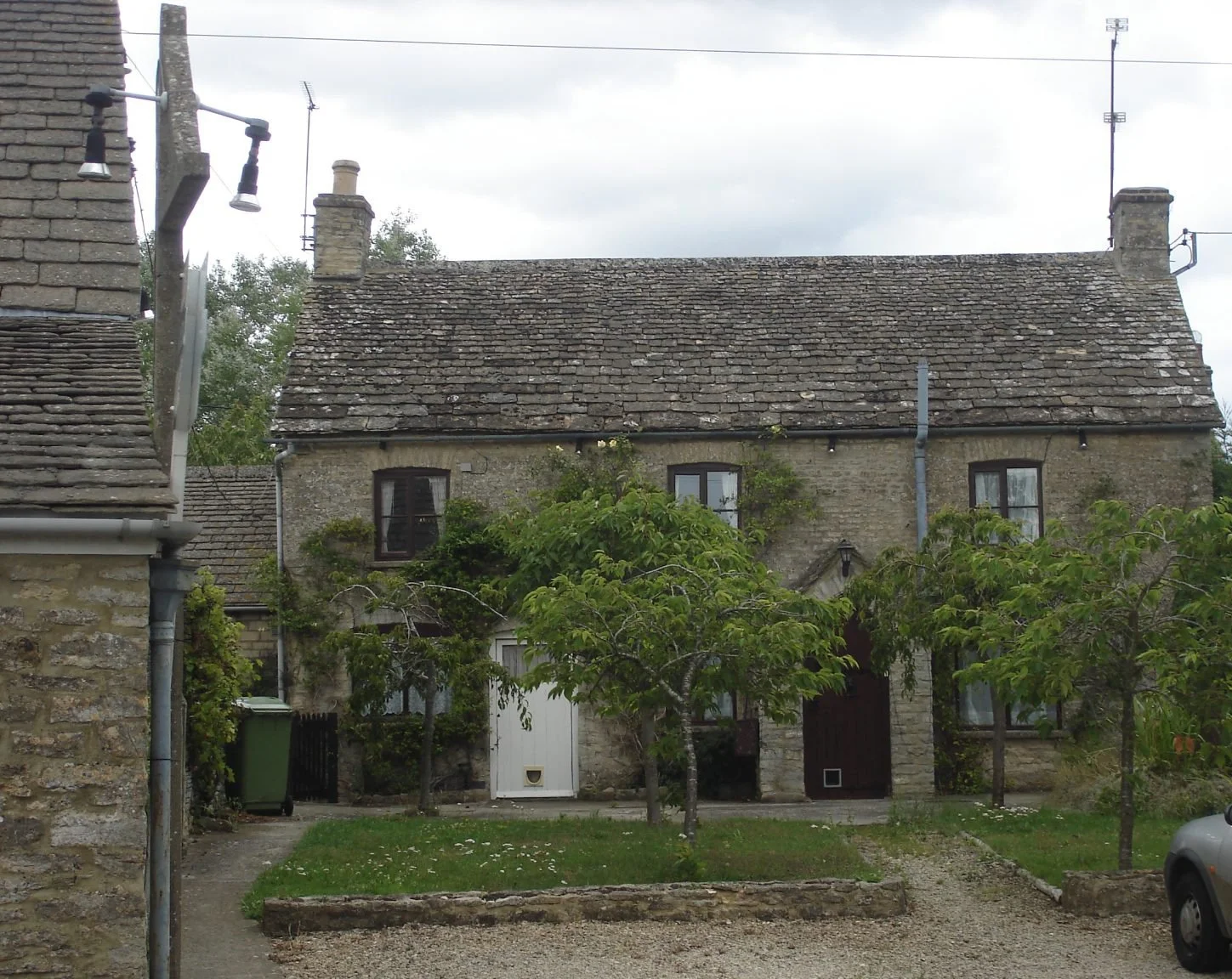
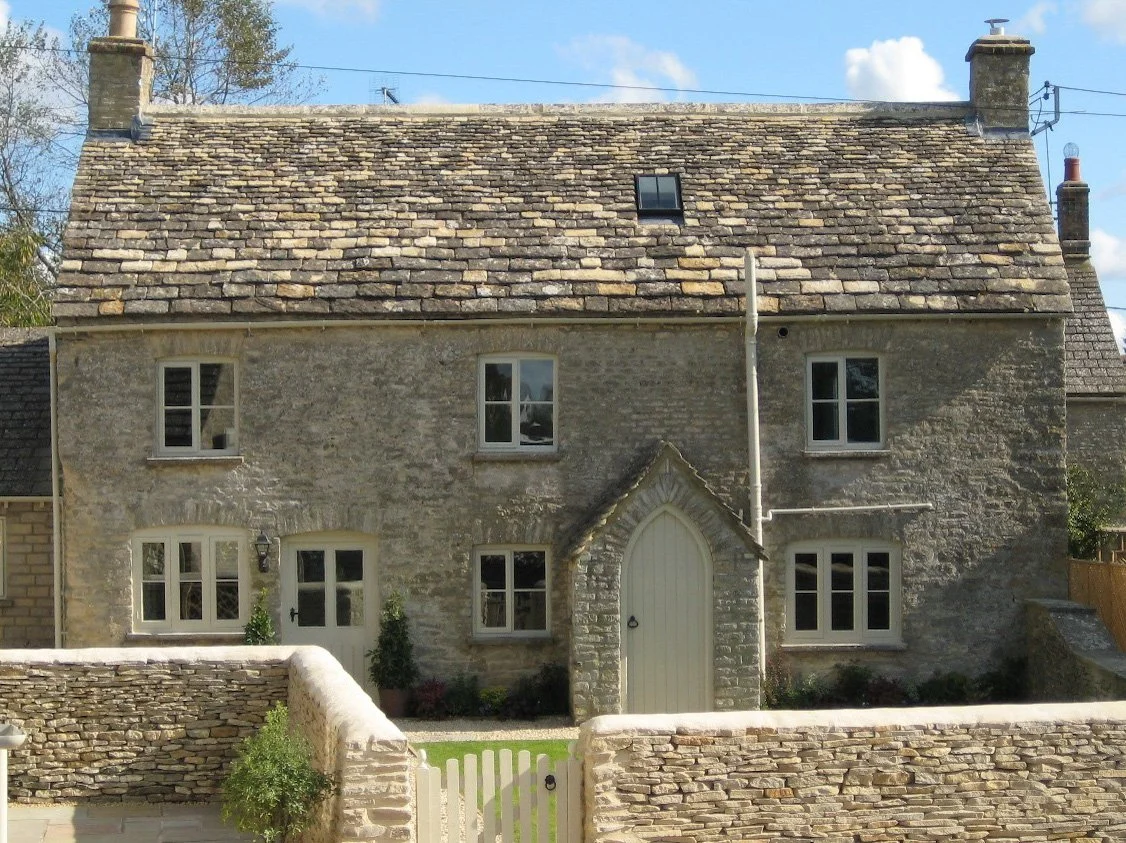
The principal façade of the house was meticulously restored. The roof structure was carefully stripped and relaid using a combination of existing and reclaimed cotswold stone tiles, with a conservation-grade roof light discreetly integrated. Areas of decayed stonework were indented or replaced with matching natural stone, and lime pointing repairs were carried out to maintain structural integrity. Inappropriate plastic rainwater goods were removed and replaced with cast-iron, in keeping with the building’s period authenticity. The original timber windows at the upper storey were repaired and refurbished using traditional joinery techniques, while the ground-floor openings were fitted with bespoke triple timber casement windows, enhancing the architectural character of the façade.
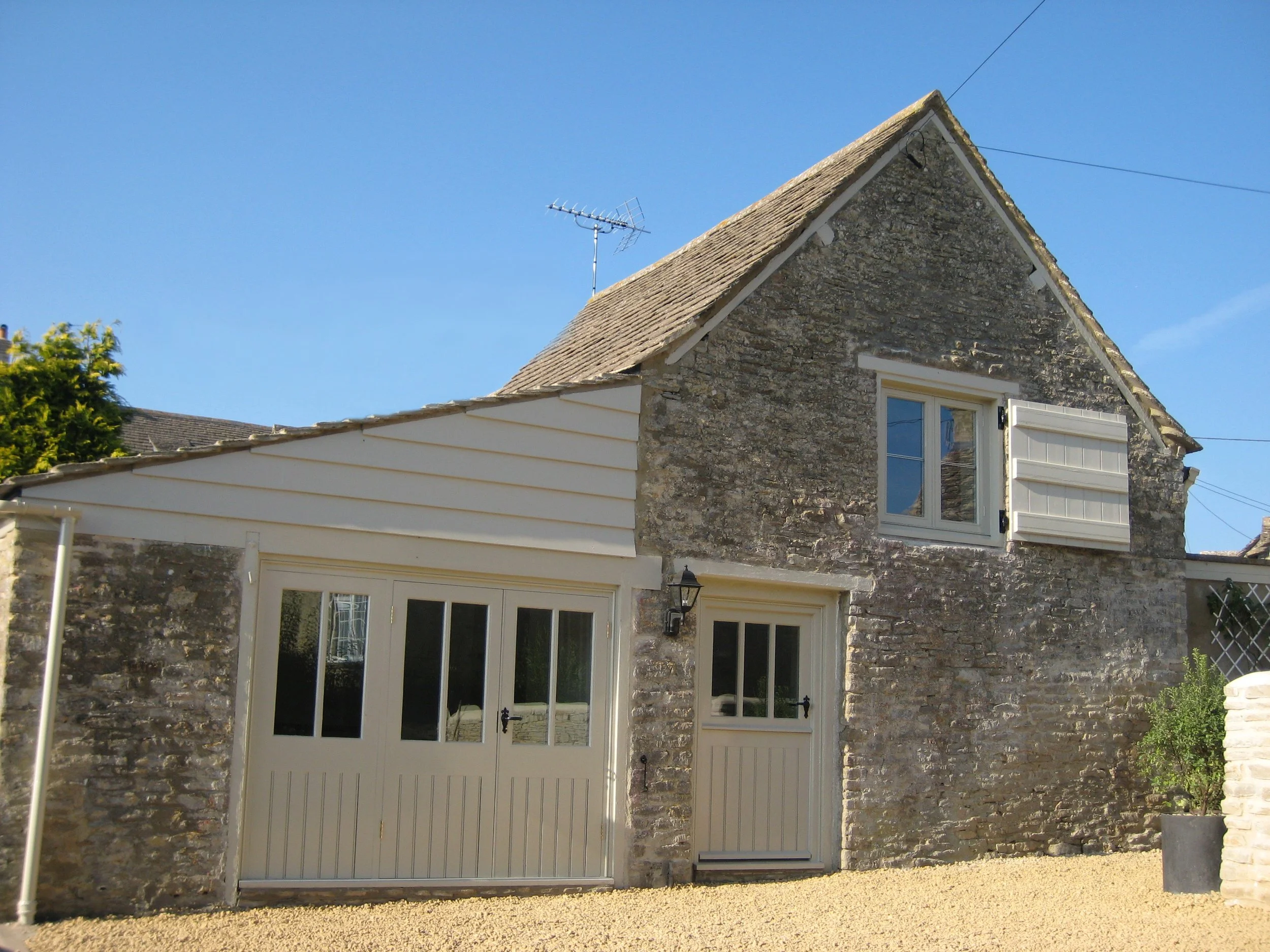
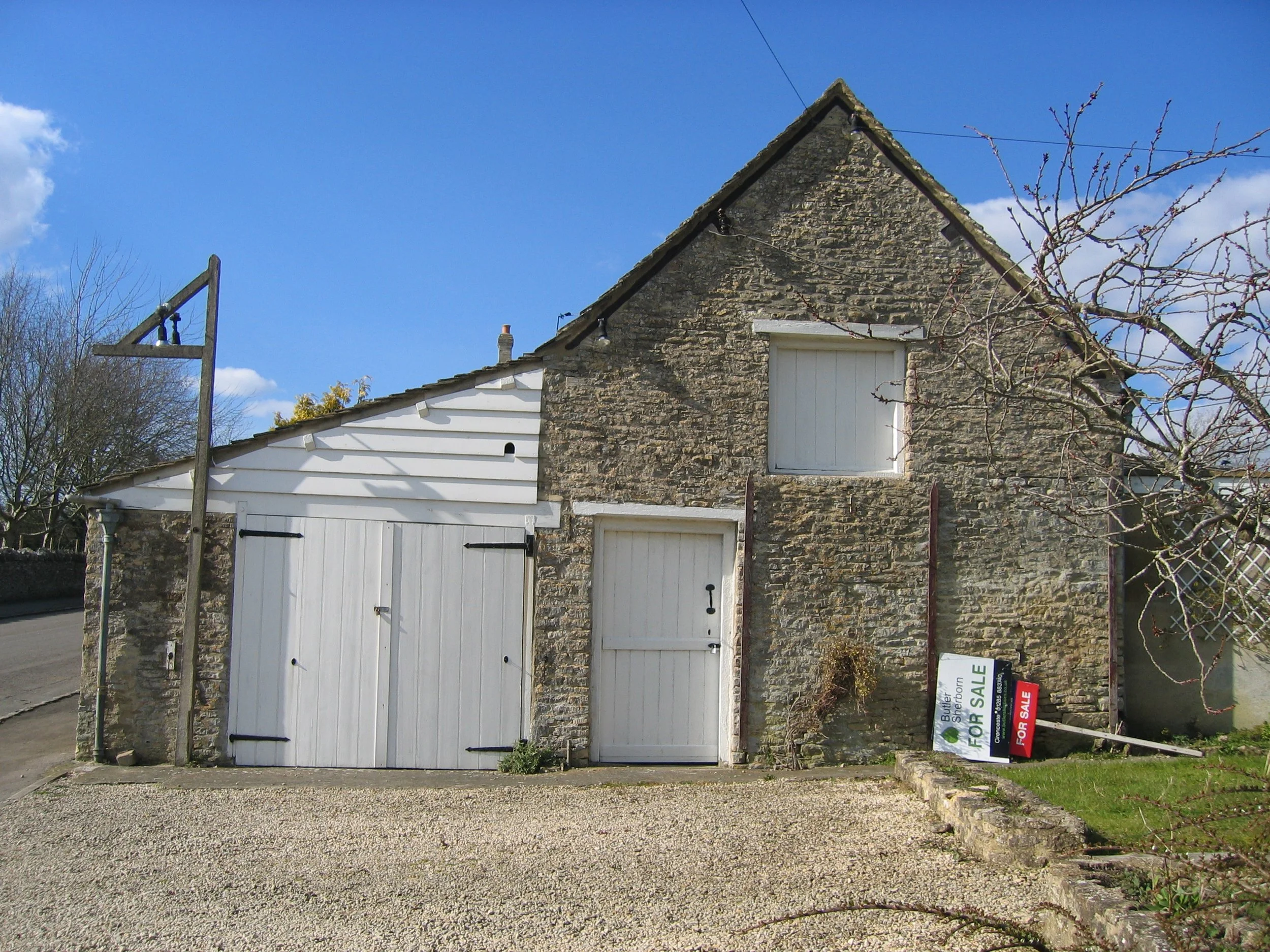
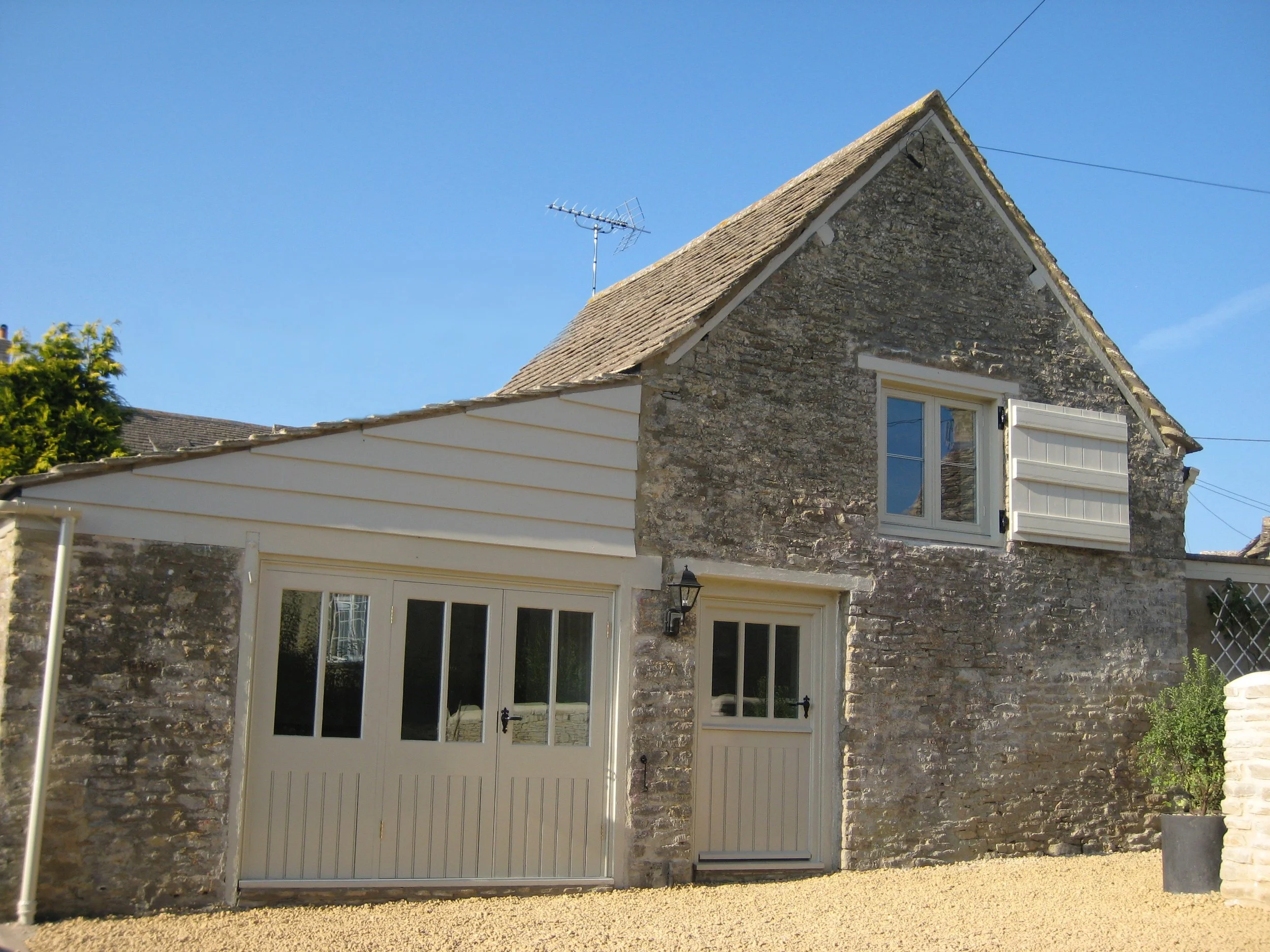
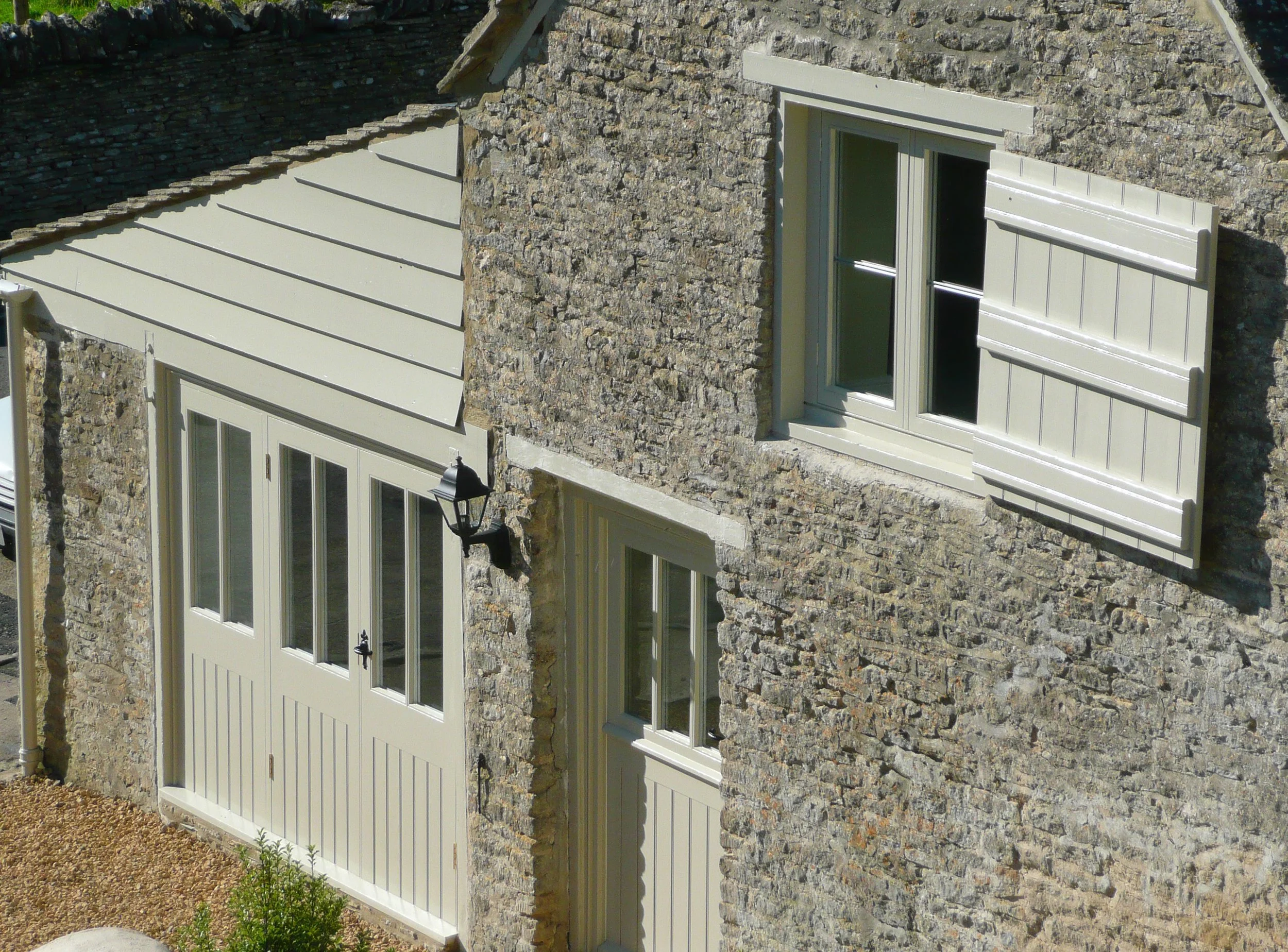
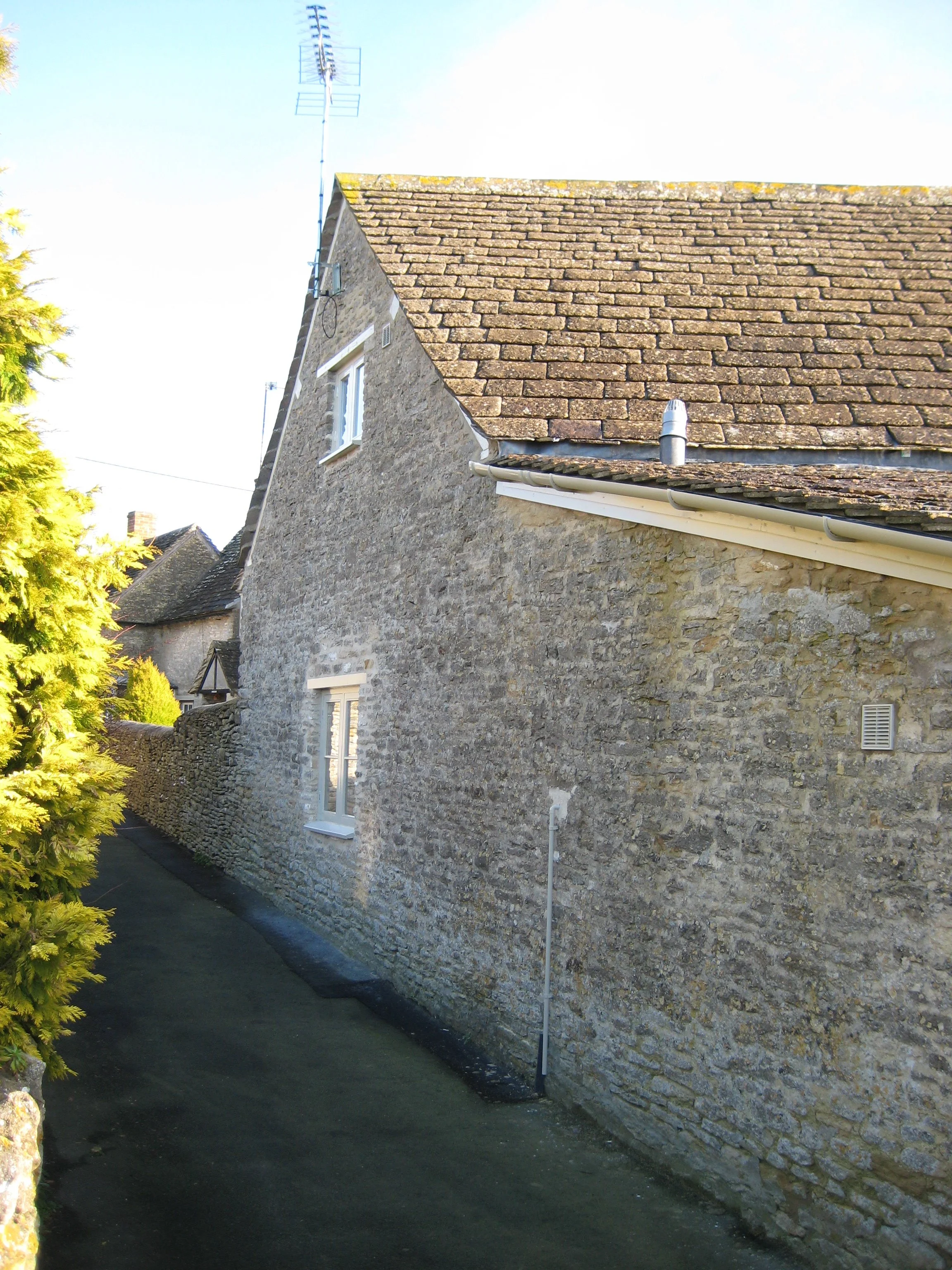
A comprehensive restoration and conversion programme was also undertaken on the historic stable, ensuring all works were sympathetic to its original form. The shiplap cladding above the principal openings was retained and carefully refurbished. Bespoke bi-fold stable doors and a new front door were designed and crafted to fit the existing openings.A timber casement window was discreetly positioned behind the retained hayloft door, allowing light inside while maintaining the building’s agricultural appearance. External masonry repairs were completed using lime mortar, and the ridge tiles were reinstated. To the rear elevation, new timber casement windows were installed to complement the building’s heritage character while improving internal light levels.
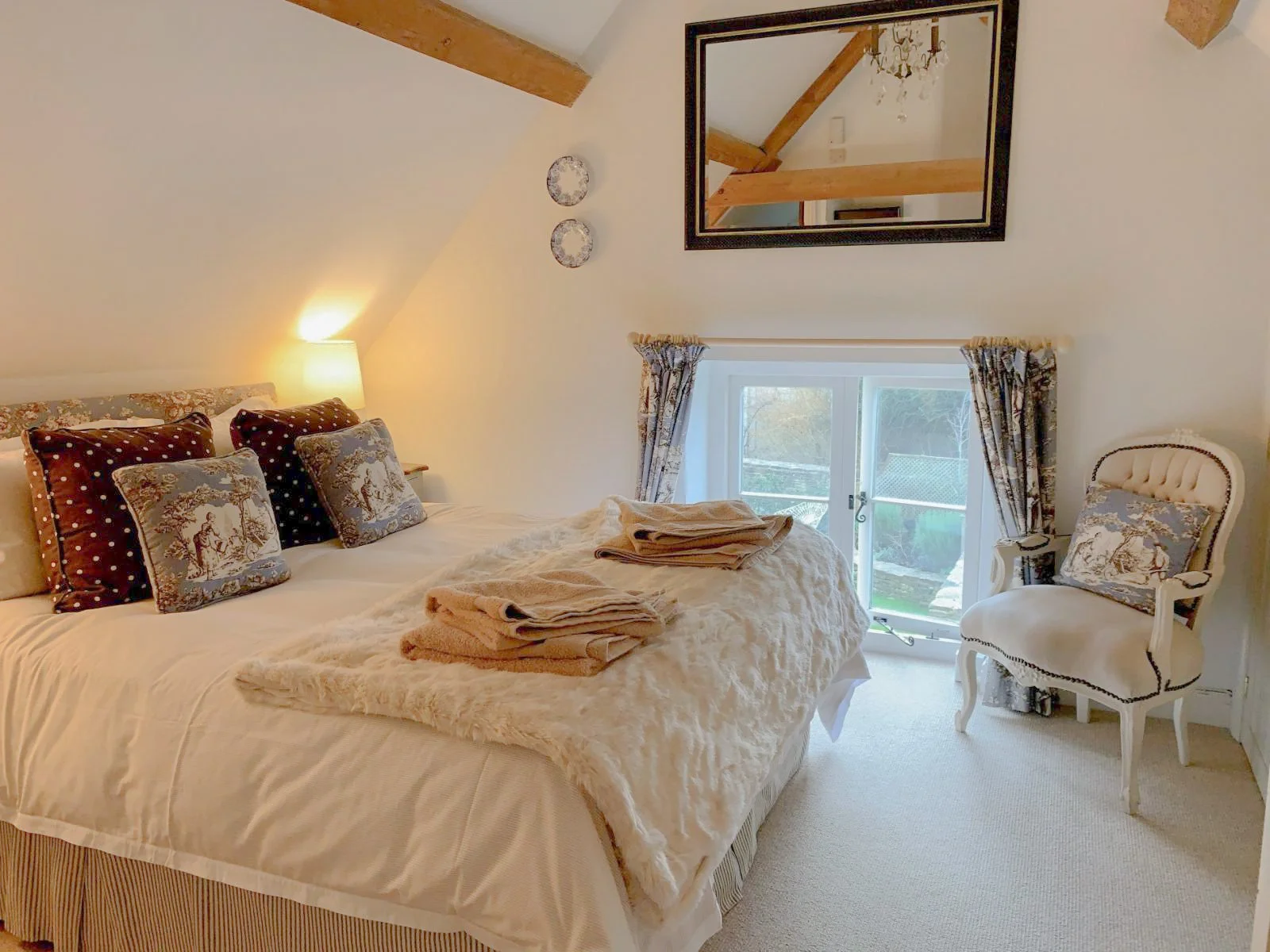
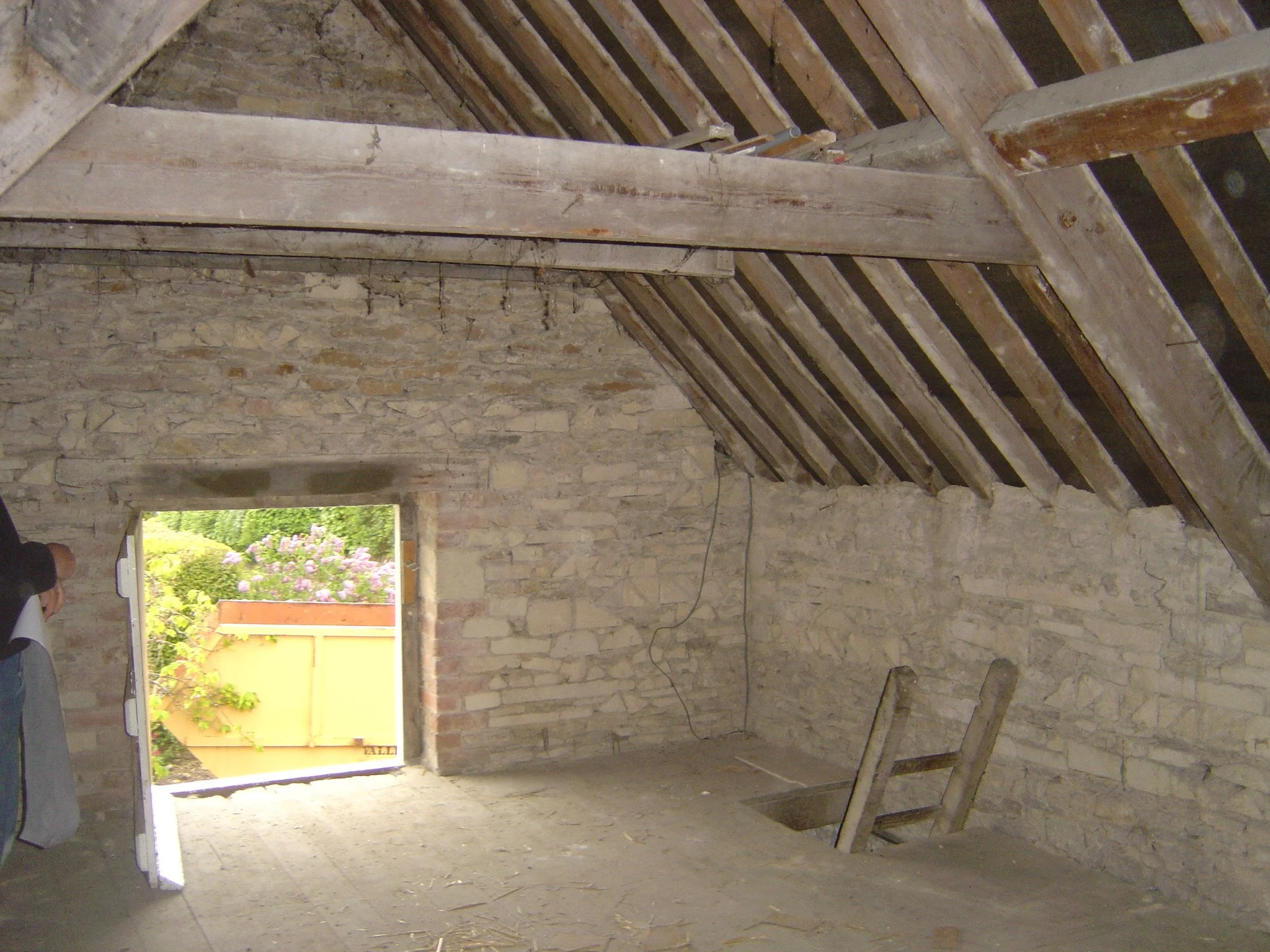
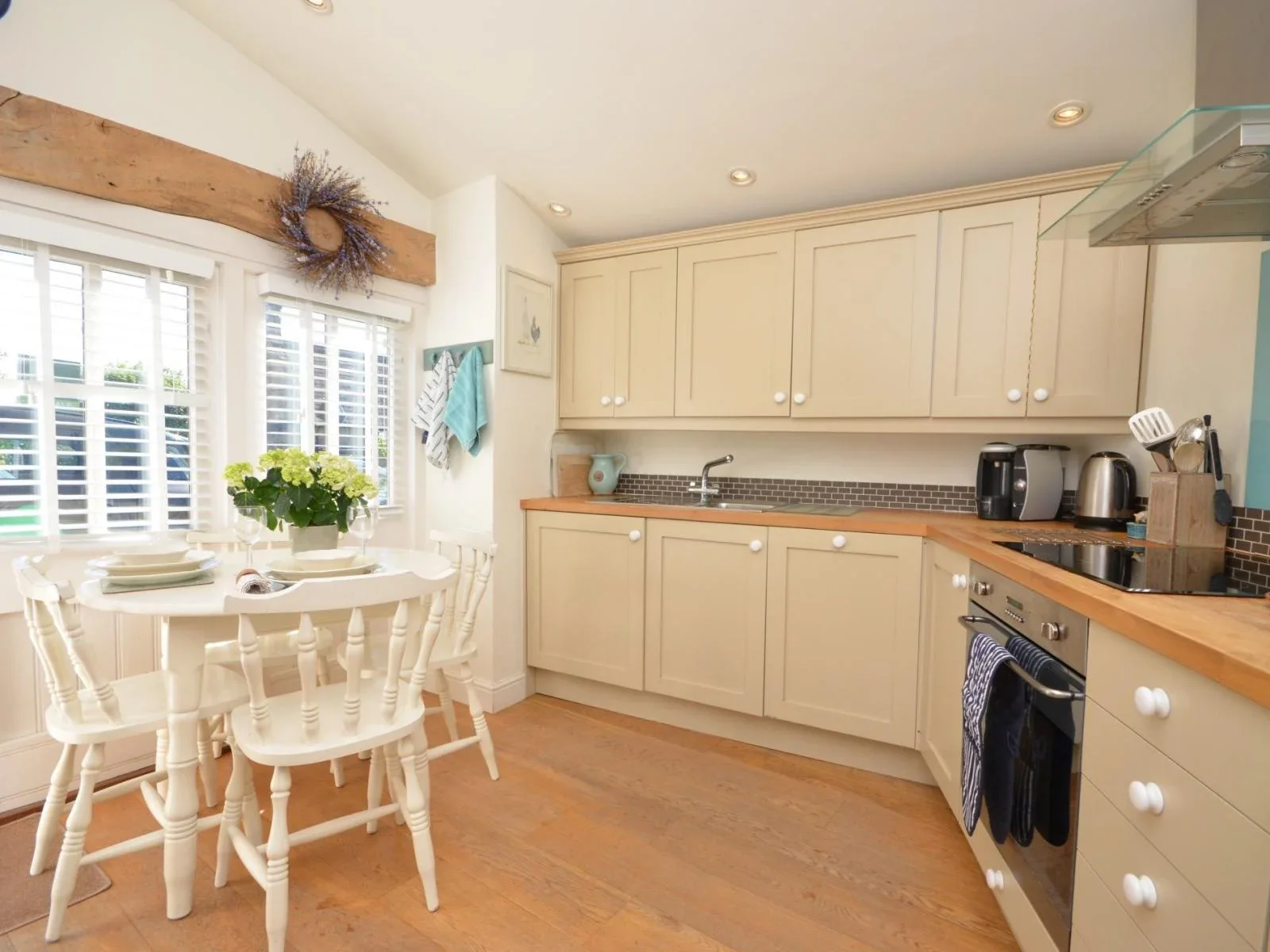
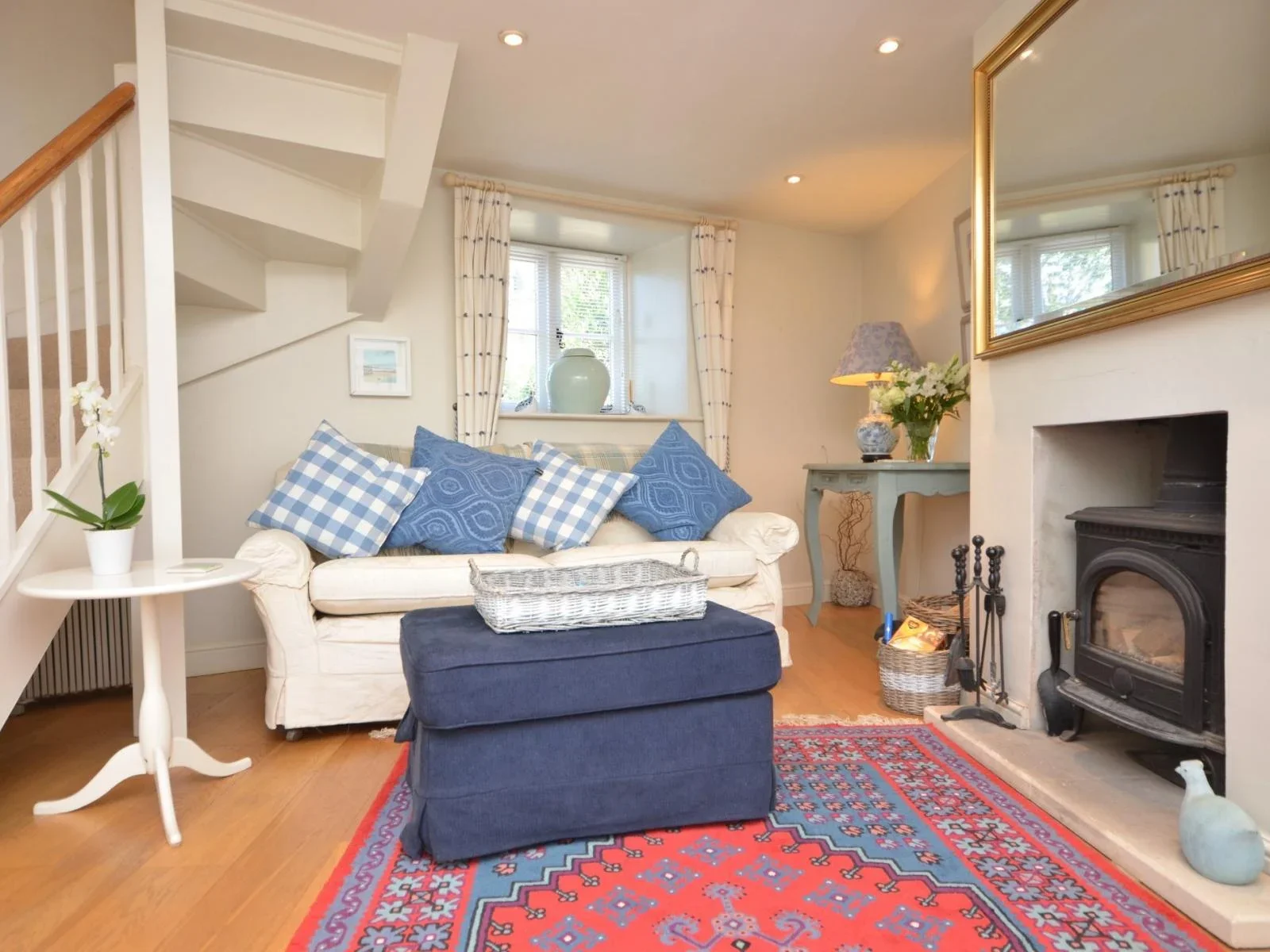
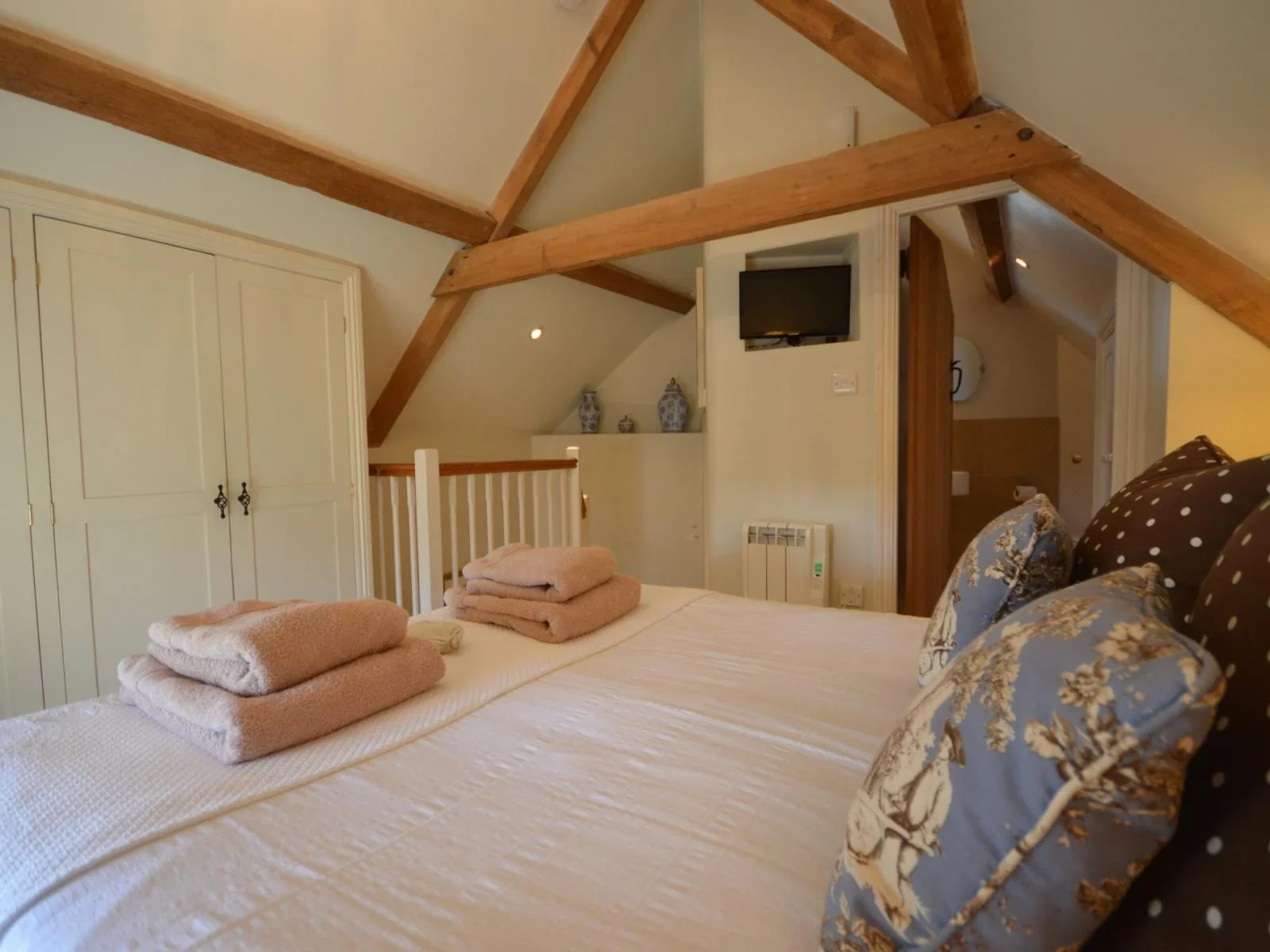
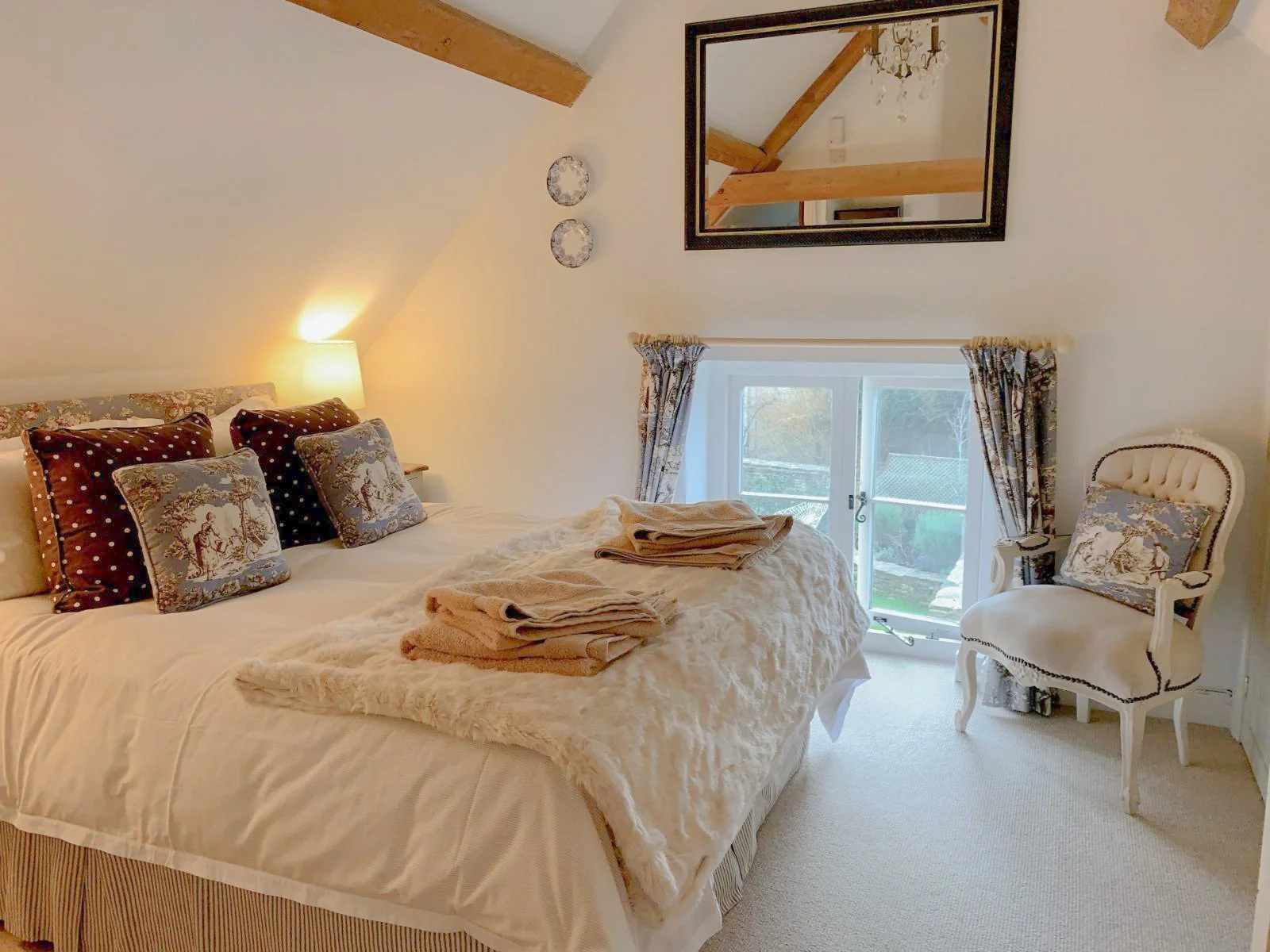
Internally, the original stable was transformed into a stylish and functional living space while retaining its rustic charm. The walls were stripped back to bare brick and finished with lime render to ensure breathability, while the original timber beams were carefully cleaned and preserved as striking focal points. A new floor structure was installed to create an upper level, accessed via a staircase leading to a cosy bedroom and bathroom. On the ground floor, the living area was enhanced with a log burner, a cottage-style kitchen, and light oak flooring laid throughout to provide warmth and character.
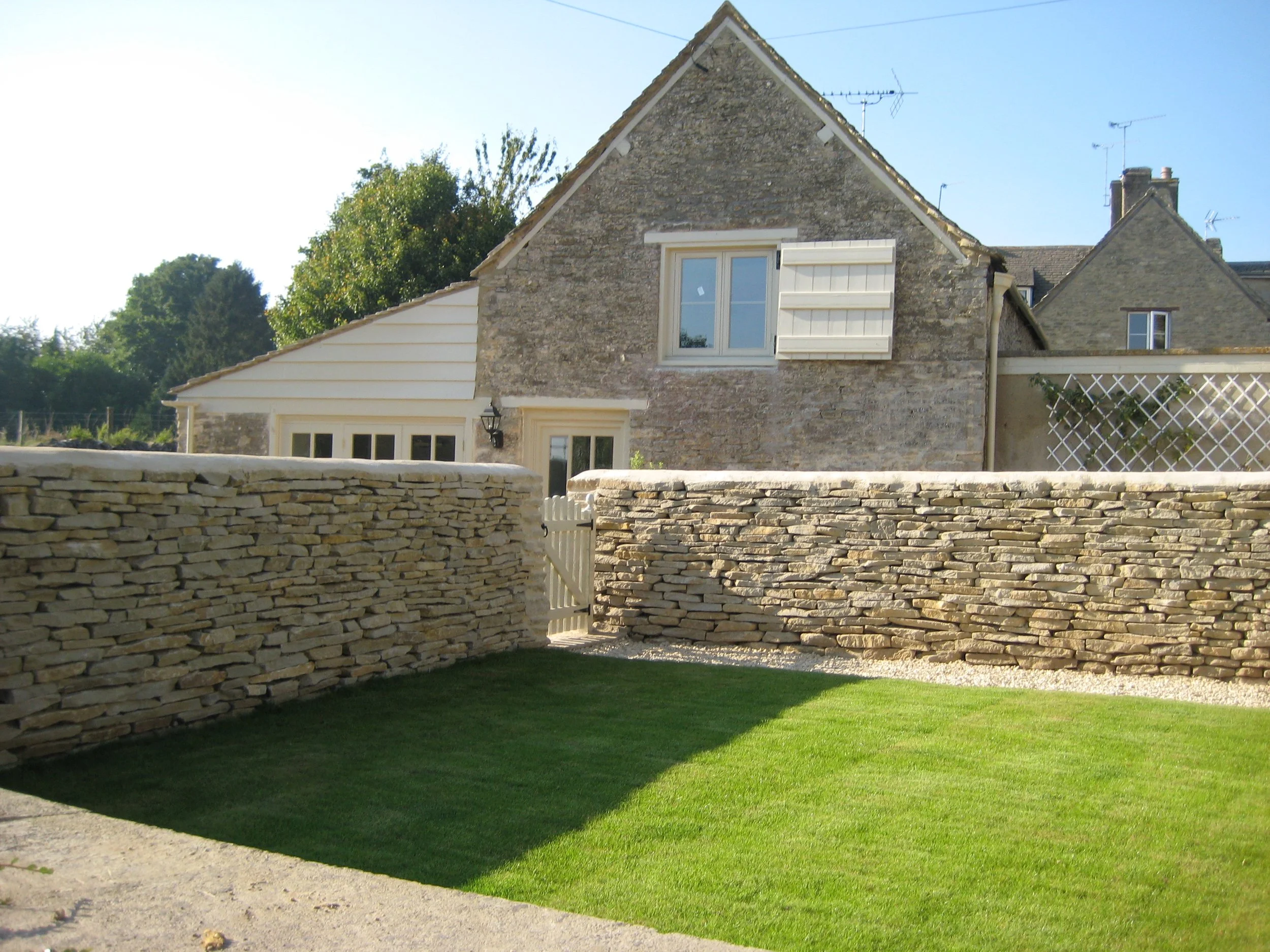
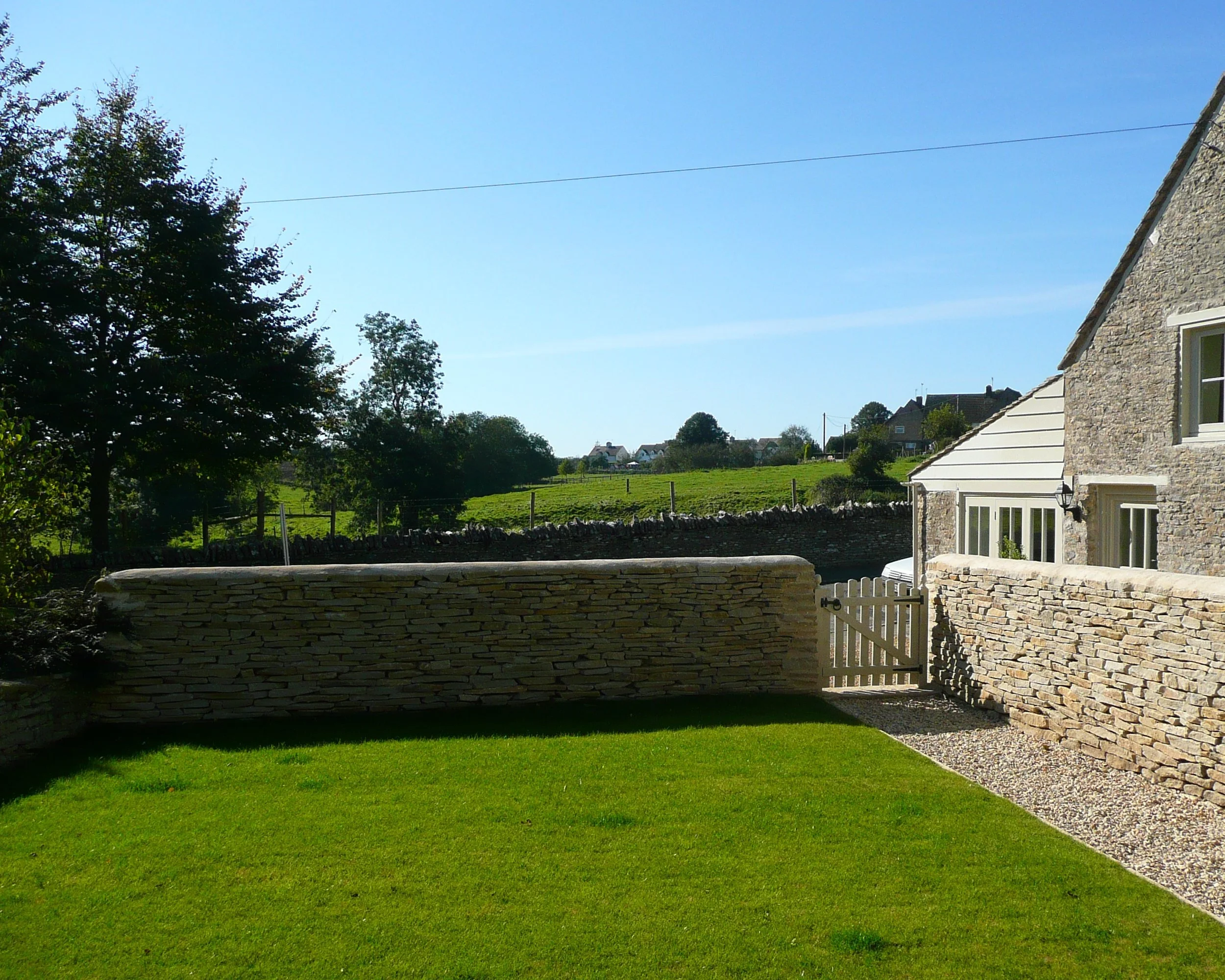
Externally, dry stone walling was introduced to separate the two properties, creating a patio area for the stable and a lawned area for the house. A picket gate and path lead to the front door, enhancing both accessibility and visual appeal.